The post GHPR Answers: Are you too old for Social Media? appeared first on GLOBALHealthPR.
]]>Over the past decade, social media has been one of the biggest revolutions in the field of public relations, for companies and communications professionals alike. But, as with all revolutions, questions arise as to who has been left behind. For millennials, the predominant logic might be that anyone outside of their 20’s doesn’t “get it”. How true is this statement? We asked some of our GLOBALHealthPR partners that same question.
Australia:

“Historically (well, for the past 11 years if we consider Facebook the trailblazer) social media has been a ‘young person’s game.’
Terms like ‘ageism’ are regularly tossed around, but is there a point at which one becomes ‘too old’ to correctly utilise social media? Further, is it fair to assume that the millennial generation should be favored over their predecessors when it comes to social media management in public relations programming?
Australian advertising creative Simon Veskner explored the stance of social media critics in a recent article published in Mumbrella. “Social media is the first communications discipline in history for which ageism is justified. Do you see a lot of over 40’s on Snapchat? You don’t,” cited Veskner.
Age-appropriate management of corporate social media is indeed, a hotly contested topic.
In a controversial piece published in NextGen Journal, University of Iowa student, Cathryn Sloane, argued anyone working as a social media manager should be aged 25 or younger, for they “have grown up with social media integrated into their everyday lives and thus have learned to use social media socially before professionally.”
Is there a genuinely compelling argument that the “Teenies” and Gen Y who have grown up with social media defining their day-to-day lives, can actually better understand the channels than those who are older?
Whatever side of the ‘age fence’ you sit on, it is clear that age affects ones perception’s on the importance of social media’s role in our lives and in our jobs.”
-Mark Henderson, VIVA! Communications
Argentina:
“Social networks can be used and managed properly by people of all ages. However, Gen Y, unlike the rest of the digital-native generation, creates its own vision of the world through social media. It is where they spread their ideas; they voice their opinions, and even build their real-world relationships based on their online social presence.”
– Luciana Acuña Elías, Paradigma PEL Comunicación
For communications professionals, those who manage clients’ social network presence, especially with more mature industry professionals, must also inject this “insider” mindset into their programs.
In Canada, energiPR CEO Carol Levine, a seasoned healthcare public relations executive, had another perspective.
Canada:
“Different generations bring different strengths to any situation or technology. Social media is no different. Where younger people are more accustomed to have a digital “through the screen” conversation, older social media users also realise that there is a value to remembering that behind each screen is a person, and the merit and qualities of face-to-face interaction. In other words, what is said on social media has a power and resonance beyond the screen, words don’t always transmit the correct emotion, and older generations have a different emotional intelligence that perhaps harnesses that better, or at least differently. Older users may also be more mindful of the fact that what is online lives forever … so be careful what you post.
Social media is all about immediacy and speed, reacting literally ‘in the moment.’ Younger users are more adept at doing this, given the speed with which technology changes, and their eagerness to adopt it and adapt to it. When your first “toy” was a smart phone, rather than a Fisher Price vacuum cleaner, you interact differently with the world from your earliest days.
However, there is more to management than understanding the nuts and bolts of a technology. Of course, some older people are lousy managers, and the same is true of younger managers. And not all younger people “get” technology, either. Perhaps we would all be better served if we didn’t jump to a ‘one size fits all’ conclusion regarding technology and age.”
-Carol Levine, energiPR
What do you think?
The post GHPR Answers: Are you too old for Social Media? appeared first on GLOBALHealthPR.
]]>The post Happy Holidays from GLOBALHealthPR appeared first on GLOBALHealthPR.
]]>This time of the year, people around the world are connected by the common thread of gift giving. Though our countries, religions and cultures have unique traditions and celebrations, we are united in the spirit of sharing. This holiday season, we invite you to experience some of our favourite global traditions, brought to you with the insights of GLOBALHealthPR partners worldwide!
United Kingdom
 In the UK, gifts are traditionally delivered by Father Christmas overnight on Christmas Eve. We hang up stockings near the fireplace so when Father Christmas comes down the chimney he can fill our stockings with presents. We also leave a sherry and mince pie for him, and a carrot for his reindeer. Christmas Day is about giving and receiving presents from friends and family and eating as much food as is humanly possible, followed by the Queen’s speech and a snooze.
Neil Crump: Aurora Communications
Singapore
In Singa pore, only those who celebrate Christmas will exchange gifts with each other during the Holidays. For Chinese New Year, Ang Pows, red packets containing cash, are the traditional gift of choice. We give them to children, the elderly and the unmarried. You have to make sure the cash in in Ang Pow adds up to an even number like $4, $8 or $10 for good luck.
Patsy Phay: Mileage
Spain

In Spain our most popular giving tradition is about the Three Wise Men (Los Reyes Magos) who came from the East to visit Jesus, bearing gifts of gold, frankincense and myrrh. We receive gifts from the Three Wise Men on the 6th of January. However, if you have not been good the past year, you receive coal instead of a present. In every house we prepare some food and traditional sweets for the Wise Men, and the kids leave out potatoes, bread and water for their camels.
Juan Luis Recio Diaz: Berbés Asociados
Poland
We celebrate the big day on the 24th of December.  Families come together for a big feast that starts when the first stars begin to show. When the children are not paying attention, someone will vanish from the house to dress up as Santa. ‘Santa’ rings a bell to announce his arrival with presents and then hands gifts out to everybody, in exchange for the singing of a song. ‘Santa’ is of course invited for the feast and some vodka. For many years on, kids remember how they either: Did not recognise Santa was their favourite uncle; or recognised their uncle by his old shoes.
Andrzej Kropiwnicki: Alfa Communications
Portugal

In Portugal one of our oldest Christmas giving traditions is to burn a stump on night of the 24th. Some people do this in the privacy of their homes with family, while public churchyards host big bonfires for the whole community. Everyone gathers around the fire and sings traditional Portuguese songs while waiting for the children to go to sleep, and the arrival of Father Christmas with their gifts.
Jorge Azevedo: Guess What
Mexico
What makes our giving tradition Mexican is the piñata . Piñatas are filled with candy and small gifts, and we take turns trying to break them open with a bat or broom stick while blindfolded. When someone finally cracks a piñata open, the candy and presents fall to the floor and the kids launch themselves to the ground trying to grab as many sweets and presents as possible. Though piñatas are often present at birthday parties, the tradition is most strongly associated with Christmas.
Paola de La Barreda and Nallely Moreno: PRP
Argentina
In Argentina we open gifts on December 24th, precisely at 12:00 a.m. along with a family toast. Everybody shares a good panettone (a sweetbread with dried fruit), and we throw firecrackers in celebration. The children also receive gifts on January 6th, from the Three Wise Men. The kids leave their shoes outside the night of the 5th, with some water and grass for the Wise Men’s camels, and wake up to find presents left by their shoes. At the same time as Christmas we start our summer and school vacations, so common gifts for kids include toys for the beach or the swimming pool.
Eugenia de la Fuente: Paradigma
India
In India, we love giving celebrations. All religious festivals are celebrated here, but the most common one is Diwali. The key ingredients for any celebration of Diwali are a lot of lights, yummy food, goodies and gifts to give to each other. We host family gatherings and friends come and visit to share sweets and dry fruits, as well as seasonal specialties depending on the region. And of course, the celebration is not complete without fireworks to light up the night sky.
Priti Mohile: MediaMedic
Germany
Our best-known 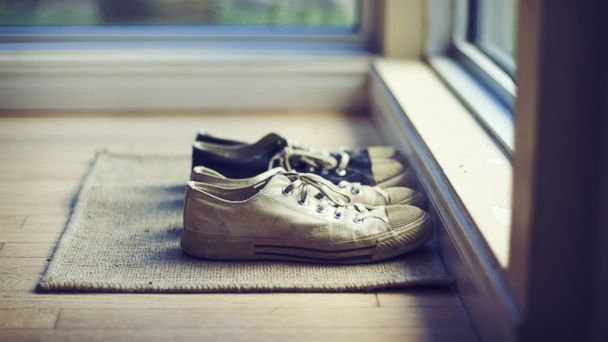 giving tradition is that our children, and of course well-behaved grownups, put their polished shoes in front of the door on the eve of December 6th. Later that night, St. Nicolas arrives to fill the shoes with candy and small gifts. The next morning we decorate the Christmas tree and go to church. After church, we celebrate Christmas with family, sharing gifts, music and a traditional Christmas dinner. Favourite menu items include trout or another fish, potato salad and sausages or duck.
Tina Winter: fischerAppelt
United States
Some American families  open just one gift on Christmas Eve, and everybody knows what’s in the box – Christmas pajamas! This gets everyone ready for bed and looking spiffy for Christmas morning. That night, after the kids have gone to sleep, Santa Claus sneaks down the chimney and leaves presents under the tree for the good boys and girls. In the morning everyone meets up at the tree, looking fly in our Christmas PJ’s, and shares gifts with friends and family.
Mary Ellen Hackett: Spectrum
We hope you enjoyed learning about how we celebrate the giving season.
Best wishes, and have the happiest of holidays from GLOBALHealthPR!
Images:
United Kingdom: Brent Flanders via flickr.com
Singapore: Cheon Fong Liew via flickr.com
Spain: Amira A via flickr.com
Poland: KCRA.com
Portugal: Brian Colson via flickr.com
Mexico: Diógene via flickr.com
Argentina: NicolEttone via flickr.com
India: gags9999 via flickr.com
Germany: David Wolfe
United States: EvilErin via flickr.com
The post Happy Holidays from GLOBALHealthPR appeared first on GLOBALHealthPR.
]]>The post Health Communication in the USA and Portugal: Like Working at the ER appeared first on GLOBALHealthPR.
]]>
There are many aspects that both Spectrum and Guess What have in common. The context may differ but the challenges are the same. It’s almost like working at the ER. The pace is fast, the requests are urgent, the demand is constant. We live in an increasingly globalized world that spins at the frenetic pace of social networks where you can share information instantly, so it’s natural that this happens. The clients of both companies are also similar: mostly multinational pharmaceutical companies, biotechs, and consumer-goods brands.

The main differences are essentially social and cultural, or related to market dimensions. The US market is more aggressive, and the work has to be conducted with a level of detail that is not demanded by the Portuguese market. The workday also has very few breaks; in Portugal we are passionate about our lunch break! In Portugal, Facebook is king and lord of all social networks, but in the US the most popular social network is Twitter. In the US, the relationships between PR professionals and journalists are often distant and directed by strict ethical guidelines.
Our American colleagues were very surprised to learn that in Portugal it is relatively normal for journalists and PR professionals to address each other through their Facebook pages, social networks that the Americans keep more personal. And we Portuguese were impressed by the interaction with and monitoring of patient blogs, where patients write about their illnesses and treatments, which is still uncommon in the Portuguese market.
On the other hand, the characteristics of the Portuguese market allow us to work in a far more “out of the box” way. Indeed, the economic crisis has forced us to be even more original and effective with smaller budgets because “necessity is the mother of invention”.
Given these differences and these similarities, we can say that the GHPR partnership not only makes sense but it is the model of the future for PR and communications. As time goes by, we will have to work more and more with and for other markets, and we will always need the experience of those who work and live in these markets. Communication lives out of social and cultural contexts that we can only know well when we live within them.
Furthermore, it was a great privilege to be part of the GHPR exchange program. It’s an excellent way of meeting a new professional reality, new people, and a new country. And I’m really grateful to all the Spectrum team in Washington that went far beyond my best expectations to make me feel welcome.
Susana Viana is Senior Communication Consultant at GLOBALHealthPR Portugal Partner, Guess What. Her account is based on an original article that appeared in Portugal’s Meios e Publicidade.
The post Health Communication in the USA and Portugal: Like Working at the ER appeared first on GLOBALHealthPR.
]]>The post Doctor selection critical to meeting your healthcare needs appeared first on GLOBALHealthPR.
]]> What factors do you consider when selecting a doctor? In Australia as in other countries, payment is a hot topic of discussion. Today’s post comes to us from our GLOBALHealthPR Australia partner, VIVA! Communications.
In Australia, patients may soon begin to see higher bills each time they visit their local doctors as the government has chosen to freeze Medicare rebates for general practitioner (GP) services. This move is expected to generate approximately $1.3 billion in government savings that would otherwise have been directed to GPs by 2018.
In preparing to launch an extensive Medicare review after ruling out a Medicare co-payment, The Federal Health Minister, The Hon. Sussan Ley MP, was reported by The Sydney Morning Herald on April 22, 2015 to have said, “Basically, there’s wide agreement the Medicare system in its current form, is sluggish, bloated and at high risk of long-term chronic problems, and continuing to patch it up with band-aids won’t fix it.”
This brings about a larger question about how co-payments fit into the broader set of considerations that patients must address when selecting a provider.
GPs have warned the ongoing freeze on Medicare fees may attract an additional $8.43 co-payment for non-concession patients by 2018, which is all the more reason why Australians should be asking their GPs if their billing processes are changing.
Factors to consider when selecting a doctor:
If you’re on the hunt for a new general practitioner (GP), there are certain items you need to take into account, including gender, age, availability, qualifications and specialisation, other service provisions and of course, billing.
Associate Professor Helena Britt from The University of Sydney’s Family Medicine Research Centre was reported by The Age on June 16, 2015 to have said age and gender are important considerations in GP selection.
“Female GPs are more likely to conduct longer consultations and ask about psycho-social issues, and some male GPs avoid offering procedures such as pap smears for women altogether.”
Furthermore, older GPs are known to rely more on clinical experience and patient examinations, while younger GPs order more tests to verify their suspicions.
Importantly, you need to be able to establish a connection with your doctor and to be able to engage in open, honest dialogue.
Availability is also critical. On what basis does your GP work, and can you afford to wait? Large corporate clinics tend to operate after-hours and cater to walk-ins, but may involve longer waiting times. On the flip side, small, family-oriented GP practices are open during business hours and offer a more personalised service.
It’s also important to consider a GP’s area of specialisation in order to best meet your healthcare needs. For instance, does your GP specialise in women’s, men’s or sexual health, pediatrics, obstetrics, dermatology, travel medicine, addictions, complementary medicine, or other therapeutic areas?
Furthermore, what other services does your GP offer (e.g. pathology, diagnostic imaging) and are they conveniently located (i.e. in-house, next door, down the road)? In addition, does your GP practice house allied health professionals, such as physiotherapists, psychologists, dieticians and nutritionists?
Perhaps a locum doctor service (such as the Home Doctor Service and Australian Locum Medical Service) is more suited to your healthcare needs? These bulk-billed services operate from 4pm to 8am, seven days a week, with an average waiting time of up to three hours, and cater for sickness that does not warrant hospital attention.
Recently, Ley has vocalized that her views on GP services in general remain the same. She shared her opinions with The Sydney Morning Herald on August 4, 2015, “We are committed to finding better ways to care for people with chronic and complex conditions and ensure they receive the right care, in the right place, at the right time.” Ley agrees with the public that the Medicare system is not supportive enough of chronic and complex health conditions.
So remember to think twice when selecting your GP.
Interested in more details regarding the Australian government’s freeze on indexation of Medicare rebates to GPs? Head over the VIVA! blog for a more in-depth look.
The post Doctor selection critical to meeting your healthcare needs appeared first on GLOBALHealthPR.
]]>The post In Recognition of our Mothers appeared first on GLOBALHealthPR.
]]>
In many countries, this Sunday marks a very special day in which we celebrate and show our appreciation for the unsung heroes in our lives – our Mothers. In each place where it’s celebrated, Mother’s Day brings its own unique story and traditions. Similarly, we as GLOBALHealthPR partners have our own unique stories of how Mum has impacted us.
Considering this, the executives of our GHPR partner agencies around the globe reflect today on the advice that their Mum gave that helped shape them into the people who they are today. These leaders and their agencies would not be where they are today without their support.
Australia
My mother told me “to be bold and brave, to work hard and to never say die; that you reap what you sow.”
I’ve carried these words of wisdom with me throughout the various trials and tribulations of my life and plan to pass this philosophy onto my three young children.
- Kirsten Bruce, Principal, GLOBALHealthPR Australia partner, VIVA! Communications
Spain
Considering that we are six brothers, and I’m the third, she had always time to spend with everyone, something that if we look now in our own families is really difficult, so lesson learned: do all you can to stay as much time with your children; they will have the best teacher in their lives.
- Pedro Cano, CEO, GLOBALHealthPR Spain partner, Berbés Asociados
Portugal
We all carry some parts of our parents but there are things that stick stronger than others and contribute for who we are. My dear mother, a lovely and practical woman with a quirky and wonderful sense of humor shared two things that still linger. “A man isn’t measured by how many times he falls; he is measured by how many times he rises,” made me not be afraid of my mistakes and be more entrepreneurial. “Son, if you’re not a doctor it isn’t your job to take care of the craziest people,” made me not take some people too seriously and achieve the inner piece that we, as trusted advisers, need.
- Jorge Azevedo, Managing Partner, GLOBALHealthPR Portugal partner, Guess What
Singapore
My son, Wy-En, wrote a poem (when he was 15 years old) dedicated to me and this poem is part of a collection of poems he published into a book.
BEACON (Ode to my Mother)
Cherubic face and perpetual smile,
Bring cheer to me when I am down.
Encouraging words and invaluable advice,
Provide the motivation for me to go on.
Selfless and dedicated,
Tender and affectionate;
The embodiment of virtuosity.
Never one to demand reciprocation,
Nor crave recognition,
A truly altruistic woman, simple and plain.
Indeed I wonder sometimes,
What would happen if she were gone,
Pillar of strength lost – I would fall.
Cherubic face and perpetual smile,
I treasure every moment with;
My incandescent beacon;
Illuminating my life….
- Patsy Phay, Executive Director, GLOBALHealthPR Singapore partner, Mileage Communications
Argentina
My grandfather used to tell my mother and my mother always tells me “your children will be better than my children.” She is a very positive woman truly convinced that humanity always progresses. I always take with me this premise in my daily life and in the message to my little sons. Many times the future world looks grey, but we must believe we can do better.
- Eugenia De la Fuente, Principal, GLOBALHealthPR Argentina partner Paradigma
United Kingdom
My mother has taught me so much but nothing more important than to be yourself and be happy with who you are. Then you are able to accept others for who they are. I thank my mother that I am a confident and strong, independent person who is accepting of people from all walks of life.
- Claire Eldridge, Owner and MD, GLOBALHealthPR UK partner, Aurora
My Mum repeatedly told my sister, brother and I: “I don’t mind what you do for job when you get older, as long as you are happy.”
Happiness is at the core of Aurora’s philosophy: that a happy client and a happy team deliver great work. I have my Mum to thank for the importance I place on this state of mind and the benefits it brings to Aurora – cheers Mum :)).
- Neil Crump, Owner and MD, GLOBALHealthPR UK partner, Aurora
Poland
My Mom was much more special than I often let on. She taught me how to read when I was barely out of diapers, and trotted me off to museums, art galleries or the Zoo almost every Sunday. She convinced me I was special and never, ever lost faith in me, no matter how much I might have disappointed her in respect to my religious or political choices, or even that I never wanted to be a doctor or a lawyer…
- Ken Rabin, Senior Consultant, GLOBALHealthPR Poland partner, Alfa
United States
As a student in probably the sixth grade at St. Jude’s School, as I was about to head off to walk to school one morning with my brothers and sisters in tow, my Mother turned to me and commanded, “John, do something outstanding today.” I’m not sure what caused her to say what she did and why on that particular day, but I’ve never forgotten that moment or the message. Her challenge could apply to anyone on any day. By exceeding our own expectations, we promote greater good throughout the world.
The happy news is that I can still ask my Mother exactly what she meant, and by the way, what did she do extra-special today?
- John Seng, CEO, GLOBALHealthPR US Partner and Chair, Spectrum
Let’s salute all the Mums out there – Happy Mother’s Day!
The post In Recognition of our Mothers appeared first on GLOBALHealthPR.
]]>The post On a ‘Little Wing’ and a Prayer: Helping Aussie Kids in Outlying Communities Access Life-Saving Treatments appeared first on GLOBALHealthPR.
]]> An inspiring group is helping rural Australian families overcome the ‘tyranny of distance’ and expensive treatment costs for children living with life-threatening and chronic illnesses.
This year, Little Wings will coordinate over 300 flights for children and their families, enabling them to access treatments at three major, Sydney-based hospitals. For parents who struggle to balance work and travel times often lasting over 12 hours, this relieves a significant economic burden.
“Being taken care of by Little Wings has just changed our lives dramatically,” said Mick Knowles, father to a little boy living with the life-threatening Hunter Syndrome and a quadriplegic daughter.
Learn the uplifting story behind Little Wings here on the VIVA! blog.
Also share with us:
What healthcare services cater to those living in outlying communities in your country?
The post On a ‘Little Wing’ and a Prayer: Helping Aussie Kids in Outlying Communities Access Life-Saving Treatments appeared first on GLOBALHealthPR.
]]>The post Needle-Free Vaccines on the Horizon appeared first on GLOBALHealthPR.
]]>Have needles got you dreading your next trip to the doctor’s office or hesitating to get that annual flu shot? If so, this new advancement in vaccine technology may change your mind.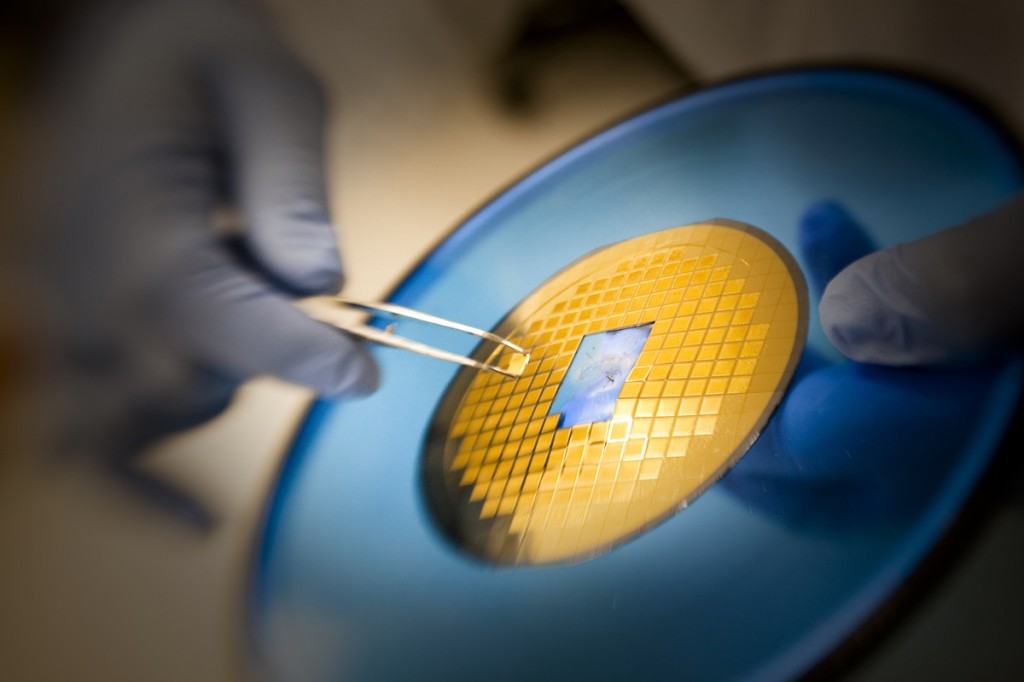
The Nanopatch is an innovative, needle-free alternative to the standard method of vaccine injection, currently being developed by the Australian vaccine company, CSL. These small patches can be placed on the skin, where the vaccine will be dissolved through high-pressure inoculation. The nanopatch is still in its trial stages at the moment, but if all goes well it could hit the market in the next five years.
Considering today’s declining immunization rates, the development of this cheaper, more efficient, and pain-free alternative to the standard vaccine is more important than ever.
To learn more about this exciting innovation, head over to our partner VIVA! Communications’ blog post on needle-free vaccines now!
The post Needle-Free Vaccines on the Horizon appeared first on GLOBALHealthPR.
]]>The post Communicating a Key Health Issue in Mexico appeared first on GLOBALHealthPR.
]]>
In Mexico, one in two sexually active females aged 12 to 19 is pregnant. This forever alters these young women’s lives as well as the dynamics of their families. Among many issues they face, pregnant teens risk dropping out of school, increases in poverty levels, perpetual low-income jobs and, in most cases, an increased possibility of getting pregnant again in the following years.
To combat this and empower women faced with this situation, PRP helped to bring together medical specialists and non-governmental associations (NGOs) such as the Mexican Foundation for Family Planning (MEXFAM) and the Mexican Institute of Sexology A.C (IMESEX), at an event hosted by Bayer Women’s Health on World Contraception Day (WCD), held every year in September.
The key message: Having a life plan and sexual health education that includes access to contraception and treatment compliance are essential to reduce the incidence of teenage pregnancy.
Young people represent a vulnerable population. Just when their professional lives are supposed to be rising, they are also at greatest risk for unintended pregnancy. But still, talking about sex with young people is not usually dealt with openly; a third of the youth in the world don’t talk about contraception with their current partner before having sex, and just a few parents talk about the subject with their children.
There is a wide body of evidence linking sexual education programs in schools to increases in contraceptive use and decreases in pregnancy rates among adolescents. Thus from a scientific perspective there is no reason to separate counseling from sex education; these should be closely linked to prepare young people for the transition to adulthood.
Today, it is crucial to strengthen sexual and reproductive health among Mexican youths, while also letting them know that responsible health decisions are the start to achieving their professional and personal aspirations as adults. This is how we break the statistics of teenage pregnancy.
Our role as communicators and public relations professionals is to become a content multiplier with a strong commitment to accurate and objective information that, with the help of specialists, will influence positively parents and teenagers through media outlets.
When young people incorporate a culture of prevention into their daily discourse, they become responsible individuals. As a consequence they become receptive and know what to do with the information they receive. In this case study, modern contraceptives are highly effective, but only if used correctly, timely and in a consistent manner.
Communications is one of the most important ways to educate and allow the creation of successful young generations, ones that will be informed, responsible and engaged with their future.
The post Communicating a Key Health Issue in Mexico appeared first on GLOBALHealthPR.
]]>The post Health Fads From The Year That Was appeared first on GLOBALHealthPR.
]]>
Image: telegraph.co.uk
As 2014 draws to a close, there’s no better time to reflect on various ‘health fads’ from the year that was.
2014 was a weird, wacky and wonderful year of health trends ranging from “pop-diets” and the gluten-free craze, through to the advent of ‘food activating’. One thing is certain: all are big business.
Team VIVA! Found the top ‘fads’ of 2014 were:
- Tough Mudder and similar super-duper obstacle and fitness challenges
- Food activation
- Going gluten-free
- Pop-dieting
- Wearable technology
- Green drinks
Wishing you a happy, healthy and safe 2015 from all of us at GLOBALHealthPR!
What trends and fads emerged in your country in 2014?
The post Health Fads From The Year That Was appeared first on GLOBALHealthPR.
]]>The post A Global Media Scan of the Ebola Outbreak appeared first on GLOBALHealthPR.
]]>New York Times editorial writers warned on November 25 that the West African nation of Mali may likely become the next target for a widespread, life-threatening Ebola virus outbreak. The editorial reported totals of more than 15,000 people made sick by the virus thus far, killing 5,400 with most of the victims in West Africa. That number has grown since to include over 18,000 diagnosed and almost 7,000 killed.

Examples of sensationalized Ebola headlines seen in the United States. Images: CNN, USA Today
As a U.S.-based, professional health care communicator, like most other Americans, I was certainly aware of the outbreak of deaths in West Africa, and was concerned for the sake of that regional population, but not really from the standpoint of any potential risk to Americans.
But when U.S. media broke the news of the first American to die from Ebola on U.S. soil, I couldn’t help wonder whether our sensational reporting bordering on panic was shared elsewhere in the world. Also, is the drama in the media overdone or justified?
I queried our GLOBALHealthPR agency partners in other countries affected by the virus such as Spain and the United Kingdom, as well as countries that at the time weren’t directly involved at the time, including Portugal, Argentina, Japan, and Singapore; to understand how local authorities and media were addressing Ebola. What was being done and reported, and what insights can we glean?
United Kingdom:

The Range of positive to negative Ebola headlines seen in the United Kingdom. Images: London24, The Sun
In the United Kingdom, there has been a high degree of concern. Claire Mosley from Aurora
Communications (GHPR-UK) responded that “as the National Health Service is currently under extreme pressure and undergoing close scrutiny in regards to budget deficit, NHS doctors and politicians are worried about increased strain on the NHS from patients from outside the UK/EU seeking NHS care for Ebola.” Although many preventive measures such as NHS drills, protocol developments, airport screenings and the creation of educational materials were being utilized, Mosley described “a lack of consistency and numerous papers seem to use Ebola as a scare-tactic filler.”
Mosley shared that “the UK has been especially worried about the infiltration of Ebola and the effects it will have on the NHS in consequence. As the NHS is currently under extreme pressure and undergoing close scrutiny in regards to budget deficit, NHS doctors and politicians are worried about increased strain on the NHS from patients from outside the UK/EU seeking NHS care for Ebola.”
She added, “Information about airport screenings and UK Ebola protection seems to range from positive news pieces one day to destructive and extremely negative pieces the next. There seems to be a lack of consistency and numerous papers seem to use Ebola as a scare-tactic filler.”

Neighbor Spain’s Ebola outbreak was enough to sound the alarm in Portuguese media. Image: Correo de Manha
Portugal:
Elsewhere in Europe, Jorge Azevedo from Guess What (GHPR- Portugal) reported that “the level of concern about Ebola increased substantially when the first news about the first case of contagion out of Africa was discovered in Spain.” He also shared that “the media coverage of the TV channels and tabloid was very intense and very driven by panic that was growing amongst the population.” He said that to reassure the public, informational posters were being distributed at hospitals, written in three different languages and that employee training was underway.
Spain:

With multiple confirmed cases in Spain, the media questioned containment protocols while the government took steps to educate the public. Image: Government of Spain
Although Portugal had not as of this writing seen an Ebola case, neighboring Spain experienced multiple confirmed cases, and containment became the priority. But the public widely criticized the protocols that were instituted. Clara Compaire of Berbés Asociados (GHPR-Spain) observed that “the Spanish General Nursing Council argued that both training and equipment for workers treating Ebola cases in Spain were inadequate and the situation was quite alarming. Authorities’ actions and statements were being questioned since the beginning which led to sensationalism and gossip regarding the nurse situation.” To ensure that preventive measures were taking place and to maintain public calm, press conferences and releases provided factual and real-time updates by government officials. In addition, Spain created a Special Ebola Committee to focus specifically on the issue as authorities’ actions, statements and decisions were being questioned.
Clara shared, “The situation has been quite alarming and authorities’ actions and statements have been questioned since the beginning and have led to sensationalism and gossip regarding the nurse situation. Also, Spanish Health Authorities recognized their lack of caution in all areas including health, social and information. Until the Special Ebola Committee was designed by the Government on 10th

Argentina: Flyers were created in both English and Spanish
October, there was a lack of clear and unified messages from spokespersons.”
Argentina:
In Argentina, Eugenia De la Fuente of PARADIGMA PEL Comunicación (GHPR-Argentina) conveyed that “the level of concern is not as important as in countries where Ebola cases have been confirmed.” She also stated that the media coverage was important and constructive overall but limited to what is going on around the world. Health surveillance points have been reinforced as communication tools were created for both travelers and health agents to ensure the health of these individuals.
Japan:

In Japan, although Ebola is a serious issue, more important health priorities confront its citizens. Maki Ohta from LBS Company (GHPR-Japan) indicated, “Only a few Japanese spot-reporters have covered Ebola, and we’re receiving most of our information about it through European and US media and authorities.
Over the past few months, the dengue virus occurred in Tokyo has been a greater public health threat. Furthermore, many people have died from natural disasters, including typhoons, landslides, volcano eruptions and so on. These were more imminent threats to us.” Nonetheless, Japan media have outlined contagion control methods and preparations by authorities.
Singapore:

Given its experience with SARS, the Singaporean media was well equipped to report the risks of Ebola.
In Singapore, Patsy Phay from Mileage Communications (GHPR-APAC), depicted the quality of media coverage as “factual and not sensational.” As Singapore in the past had to address the coronavirus SARS, the country was well prepared for another deadly virus to appear. Their hospitals are well equipped with government hospitals on standby and preventive measures such as airport screenings.
Although the spread of Ebola continues while global public health authorities have stepped in to assist countries such as Liberia, Guinea and Sierra Leone and now Mali, there have been few new occurrences in the U.S. and elsewhere.
My Takeaway:
My takeaway from our Ebola-in-the-news canvassing of our GLOBALHealthPR partners found little to surprise me. Traditional, “mainstream” in-country media tend to ignore a deadly virus that is killing thousands of people in developing nations with comparatively limited media sophistication and across oceans. However, once any number of Ebola patients were found to have traveled to “Westernized” lands, the press will happily play into to public fear and paranoia. We “benefit” from media hype and sensational coverage, which drives public health authority response and action, as well as underscores the vast needs in poorer nations with limited resources. Unhappily, it takes modern travel and a deadly virus to make our world a little smaller.
The post A Global Media Scan of the Ebola Outbreak appeared first on GLOBALHealthPR.
]]>